Mexican culture · Riviera Maya travel stories
La Catrina in Mexico: Origins, Meaning and a Cultural Icon
La Catrina began as a social satire and became one of Mexico’s best-known images. Explore her origins and how to appreciate her with respect.
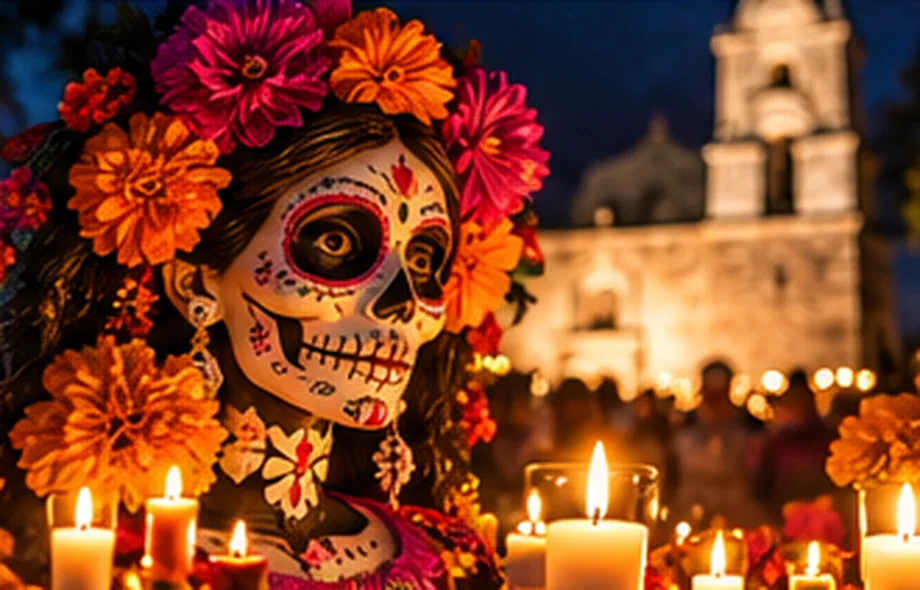
By Tours Aldea · October 13, 2026
Who Is La Catrina?
The elegant skeleton in a wide-brimmed hat has become an instantly recognizable image of Mexico. Yet La Catrina is more than a costume or a decorative skull: her history connects art, social commentary and the way Mexican communities speak about mortality.
From La Calavera Garbancera to La Catrina
The illustrator José Guadalupe Posada created a skeletal figure generally known as La Calavera Garbancera in the early twentieth century. The image mocked the idea of turning away from one’s own roots to imitate European fashions. It was satire, not an original portrait of a festival mascot.
How Diego Rivera Helped Shape the Icon
Decades later, Diego Rivera featured the character in his mural Dream of a Sunday Afternoon in Alameda Central, giving her an elegant outfit and the name by which she is widely known. Art helped the figure move from political caricature into a broader cultural conversation.
What Does La Catrina Symbolize?
Her stylish hat and skeleton face remind us that wealth and status disappear in death. In many contemporary Day of the Dead celebrations, she also invites creativity, humor and remembrance. Her meanings have changed over time, and no single image speaks for every community.
La Catrina and Day of the Dead Today
Today visitors may see Catrina face painting, parades or artwork during Día de Muertos. Some events are recent civic or artistic celebrations, while family customs of remembrance are much older and deeply personal. They are related, but should not be confused.
How to Appreciate the Tradition Respectfully
Ask before photographing someone, support local artists, and avoid treating cemeteries or family altars as tourist sets. If you attend a community event, follow the hosts’ guidance. A meaningful cultural visit begins with listening.
The Story Behind the Face
La Catrina reminds us that Mexico’s cultural life is layered: humor and grief, art and memory, critique and celebration. Understanding her origin is one way to see beyond the costume and recognize the people who keep these conversations alive.