

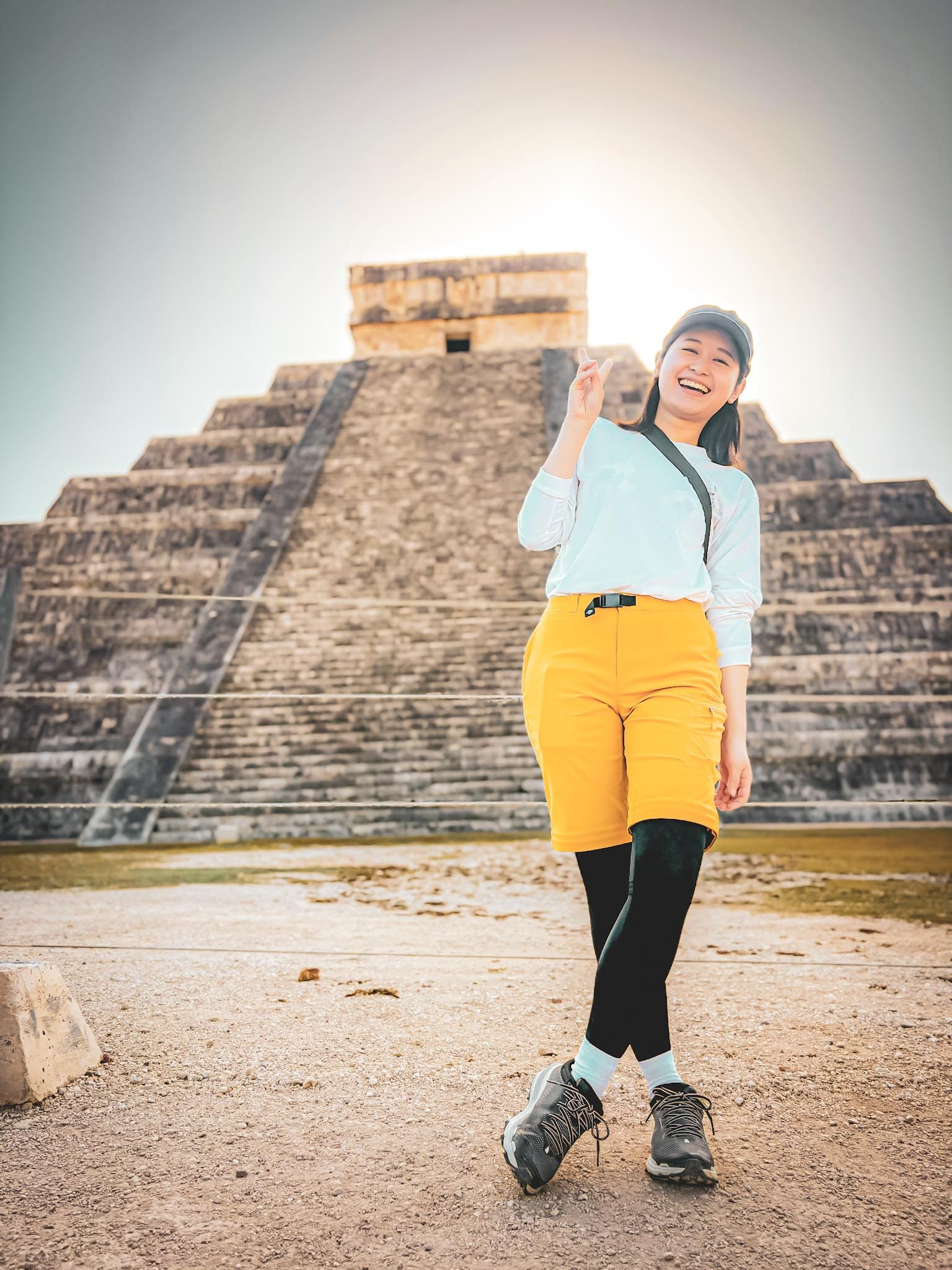
Most visitors ask the same question when they stand in front of El Castillo: How old is Chichen Itza? It sounds simple. But the answer changes the way you see every stone around you.
Before we answer, imagine removing every hotel from Cancun. Every highway. Every airplane. Every car. Now remove Mexico itself, because the country did not exist yet. Remove the Spanish language from this land. Keep going.
When Chichen Itza was already growing into one of the great cities of the Maya world, the modern map of Mexico had not been drawn, the Aztec Empire had not appeared, and Europe had no idea this continent existed.
When Chichen Itza Already Existed...
A number like 1,500 years can feel abstract, so let’s place it beside things most travelers recognize.
- Oxford University did not exist.
- Notre-Dame Cathedral had not been built.
- Leonardo da Vinci would not be born for about another thousand years.
- Machu Picchu was still centuries away.
- The Aztec Empire had not yet risen.
Suddenly, Chichen Itza does not feel simply “old.” It feels extraordinary.
More Than a Pyramid
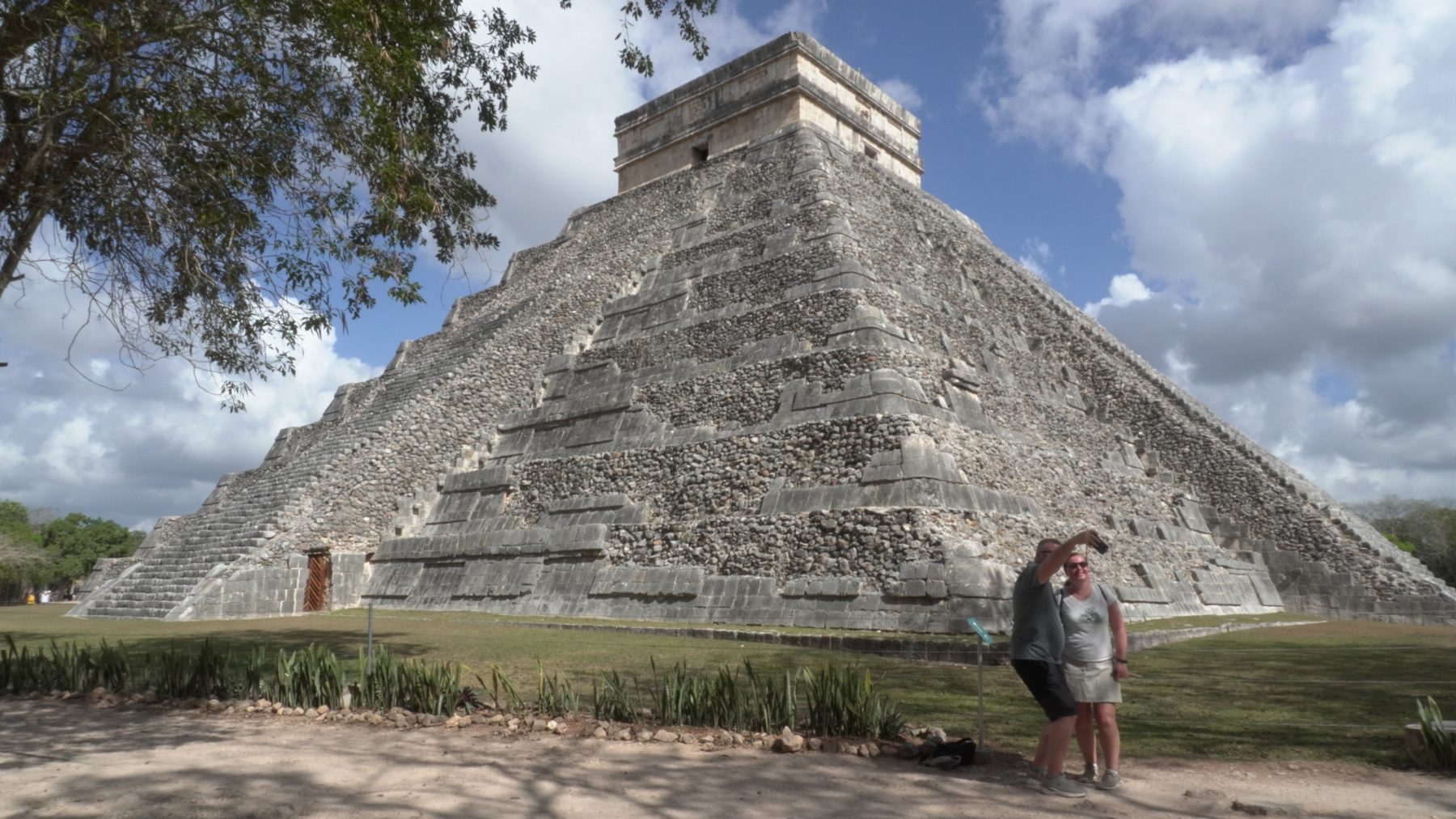
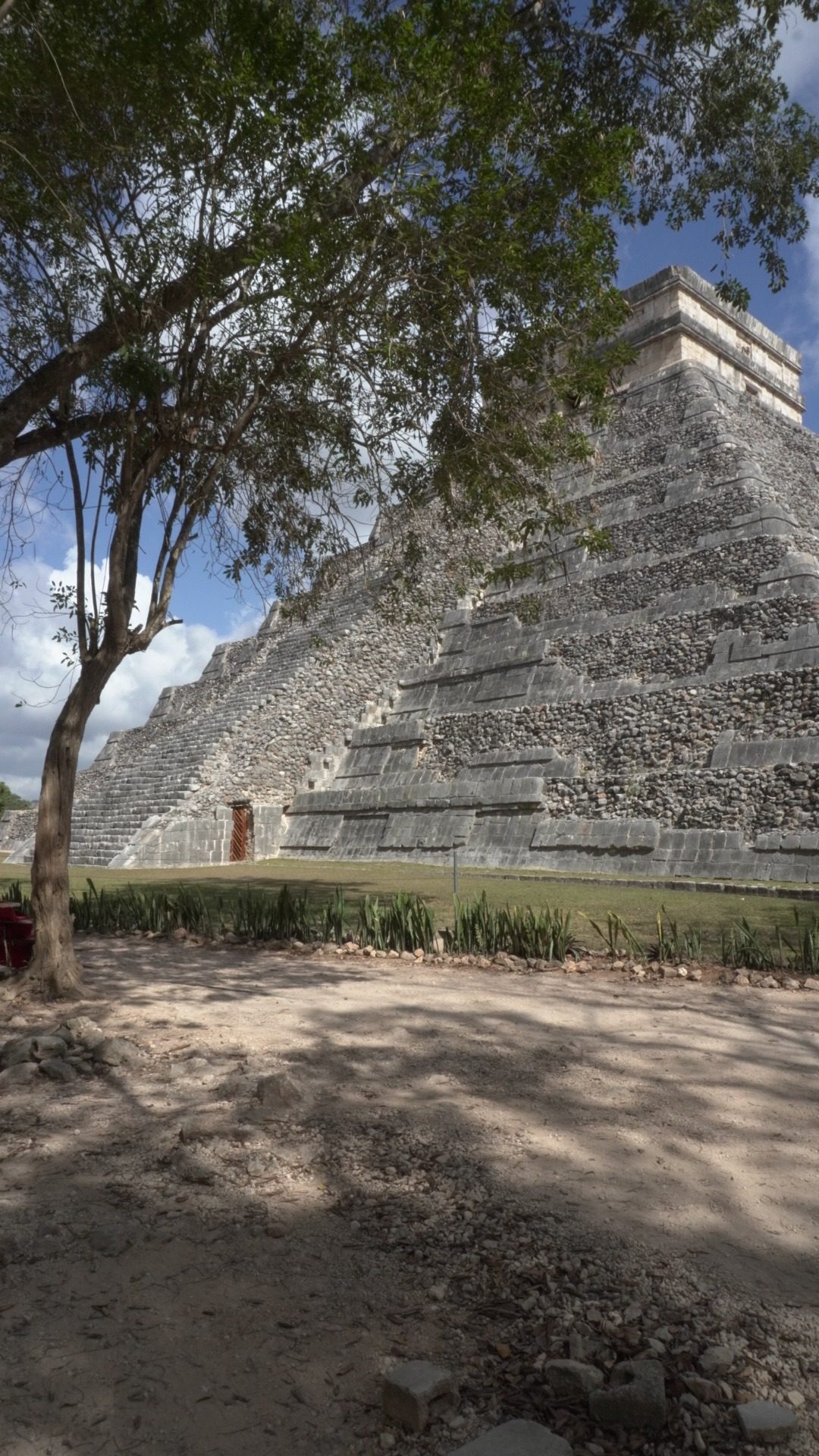
Many visitors arrive thinking Chichen Itza is only the famous pyramid. That is normal. El Castillo is one of the most photographed monuments in the world.
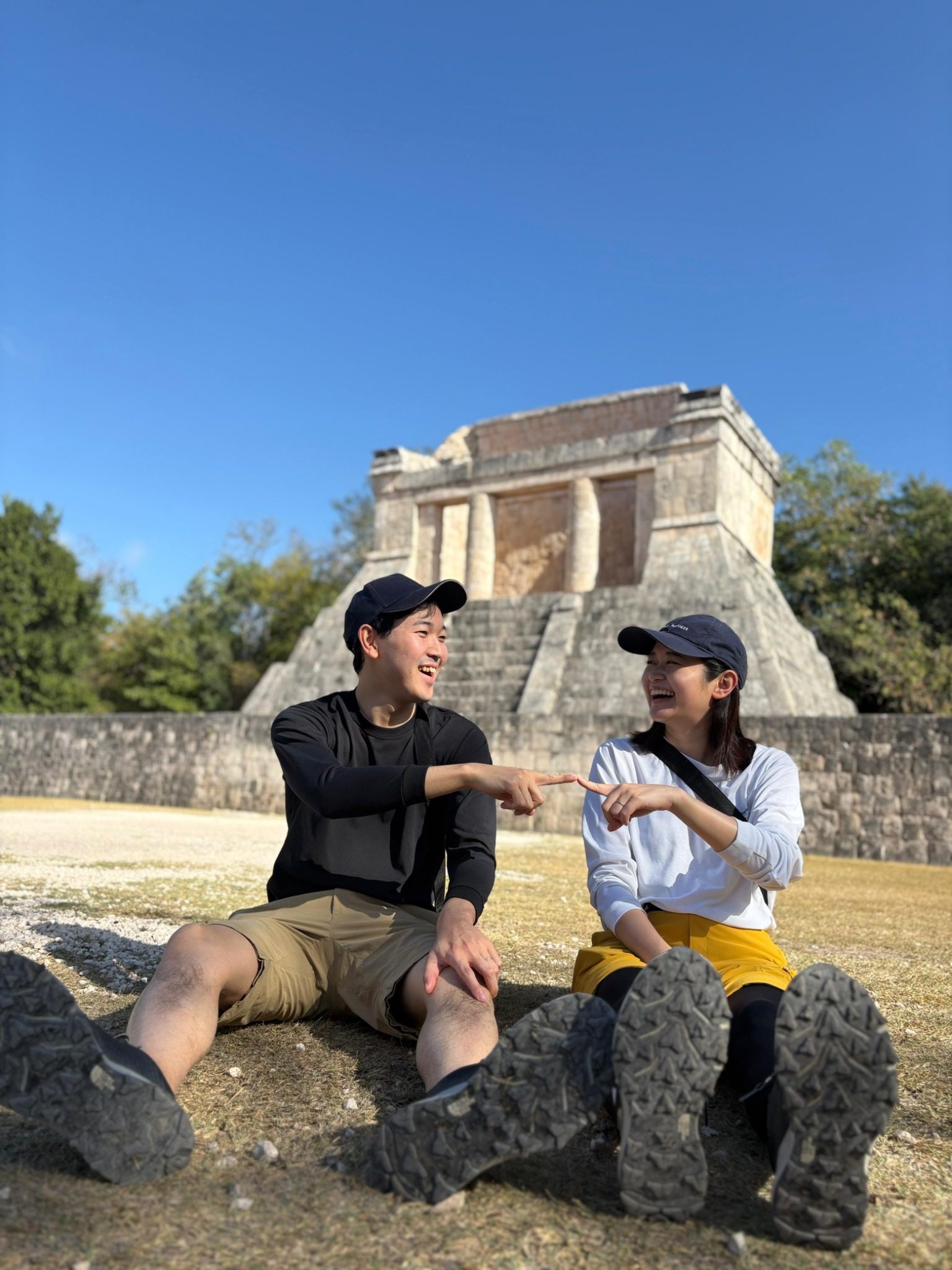
But after a few minutes, another city starts to appear: the Great Ball Court, the Sacred Cenote, the Temple of the Warriors, El Caracol Observatory, shaded paths, carved walls and corners where the crowds often move too quickly to notice anything.
That is usually the moment when the visit changes. People stop only taking pictures and begin asking better questions.
The Maya Built Knowledge Into Stone
The Maya were not only builders. They were observers.
They watched the Sun, the Moon, Venus and the movement of seasons with patience that is hard to imagine today. Their architecture was not random. At Chichen Itza, buildings, shadows, stairways and sightlines can connect with astronomy, ritual, power and calendar cycles.
The famous equinox shadow on El Castillo is the example everyone knows: sunlight creates the illusion of a serpent descending the staircase. But that is not a magic trick. It is the result of observation, mathematics, architecture and time.
No satellites. No drones. No modern instruments. Just centuries of watching carefully.
The longer you look, the less Chichen Itza feels like ruins — and the more it feels like a city still explaining itself.
Without Cenotes, There Would Be No Chichen Itza
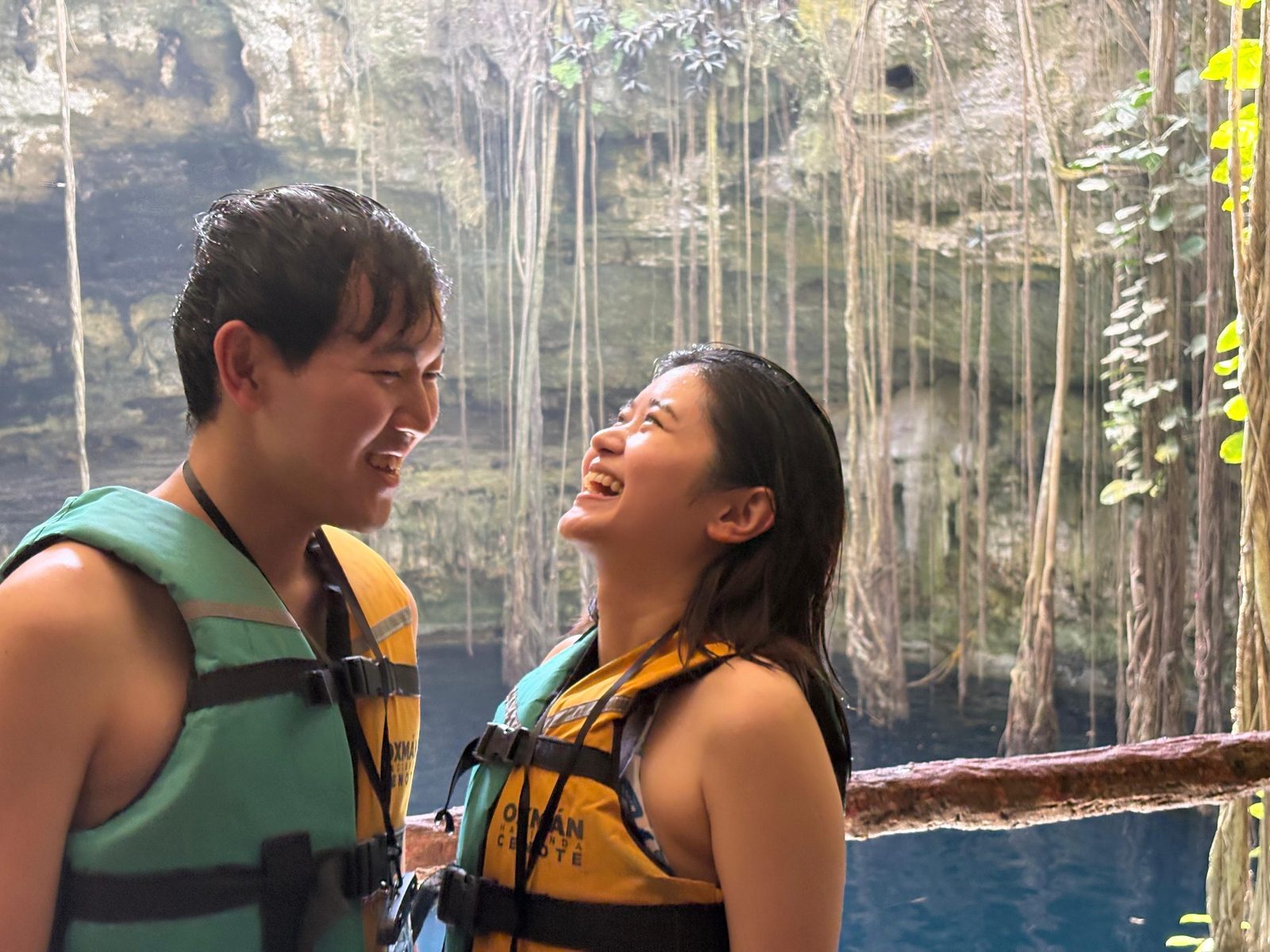
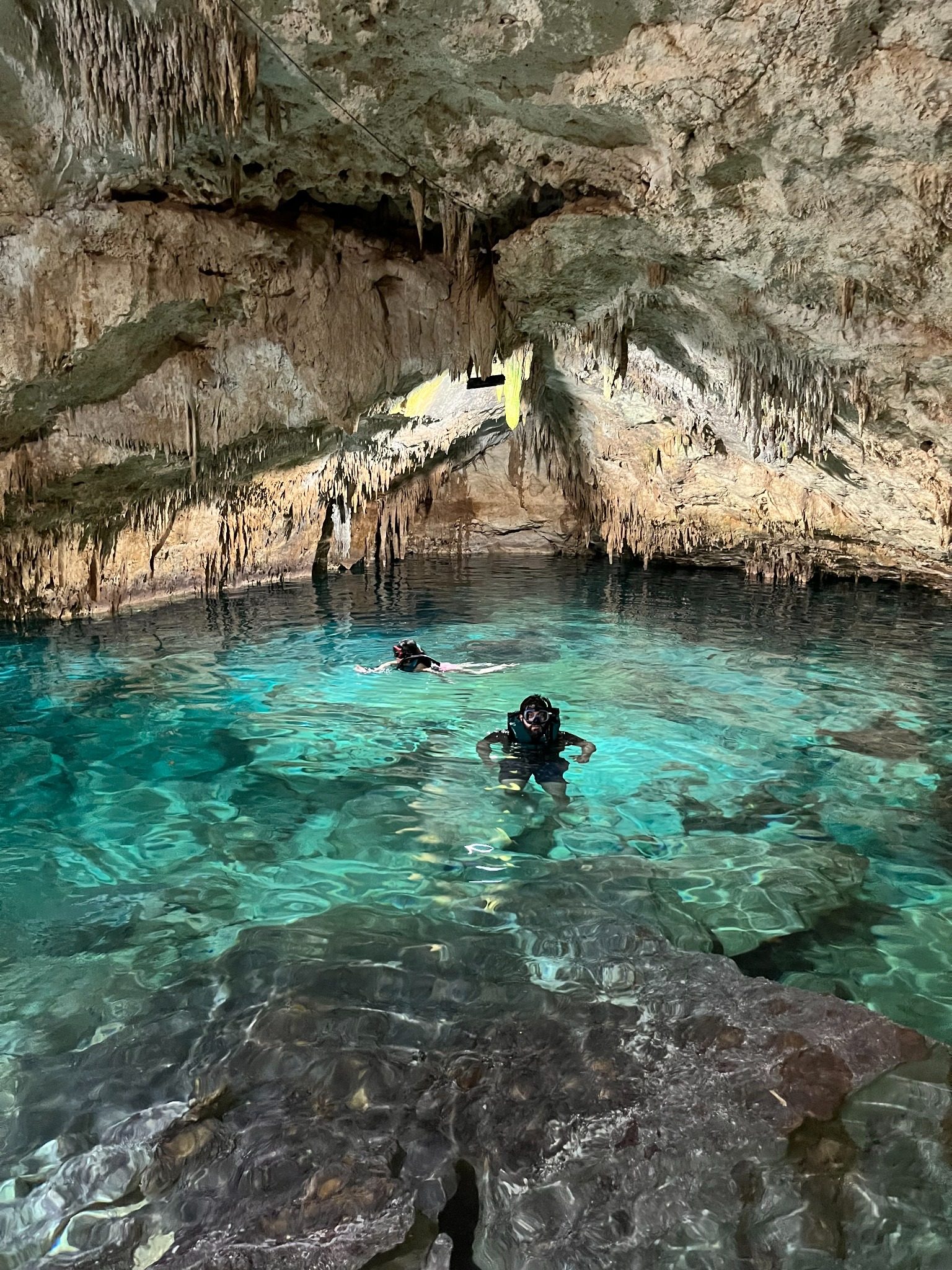
One of the biggest surprises for first-time visitors is that the Yucatan Peninsula has almost no surface rivers. Water flows underground, through limestone caves and natural sinkholes known as cenotes.
For the Maya, cenotes were not simply beautiful pools. They made life possible. They provided water, shaped settlement patterns and became sacred places connected with offerings, rain, life and the underworld.
That is why combining Chichen Itza with a cenote is not just a pretty stop after the ruins. It helps you understand the landscape that allowed the city to exist.
The Side Most Visitors Never Notice
Some travelers spend fifteen minutes in front of the pyramid, take the same photo as everyone else, and leave.
That is a mistake.
The best parts of Chichen Itza often appear when you walk slowly. Listen to the acoustics in the Great Ball Court. Look at the carvings. Notice the change between open plazas and shaded paths. Ask why certain buildings face certain directions. Ask why water mattered so much. Ask what the city would have sounded like when it was alive.
That kind of visit is very different from checking a wonder of the world off a list.
A Respectful Look at Mystery
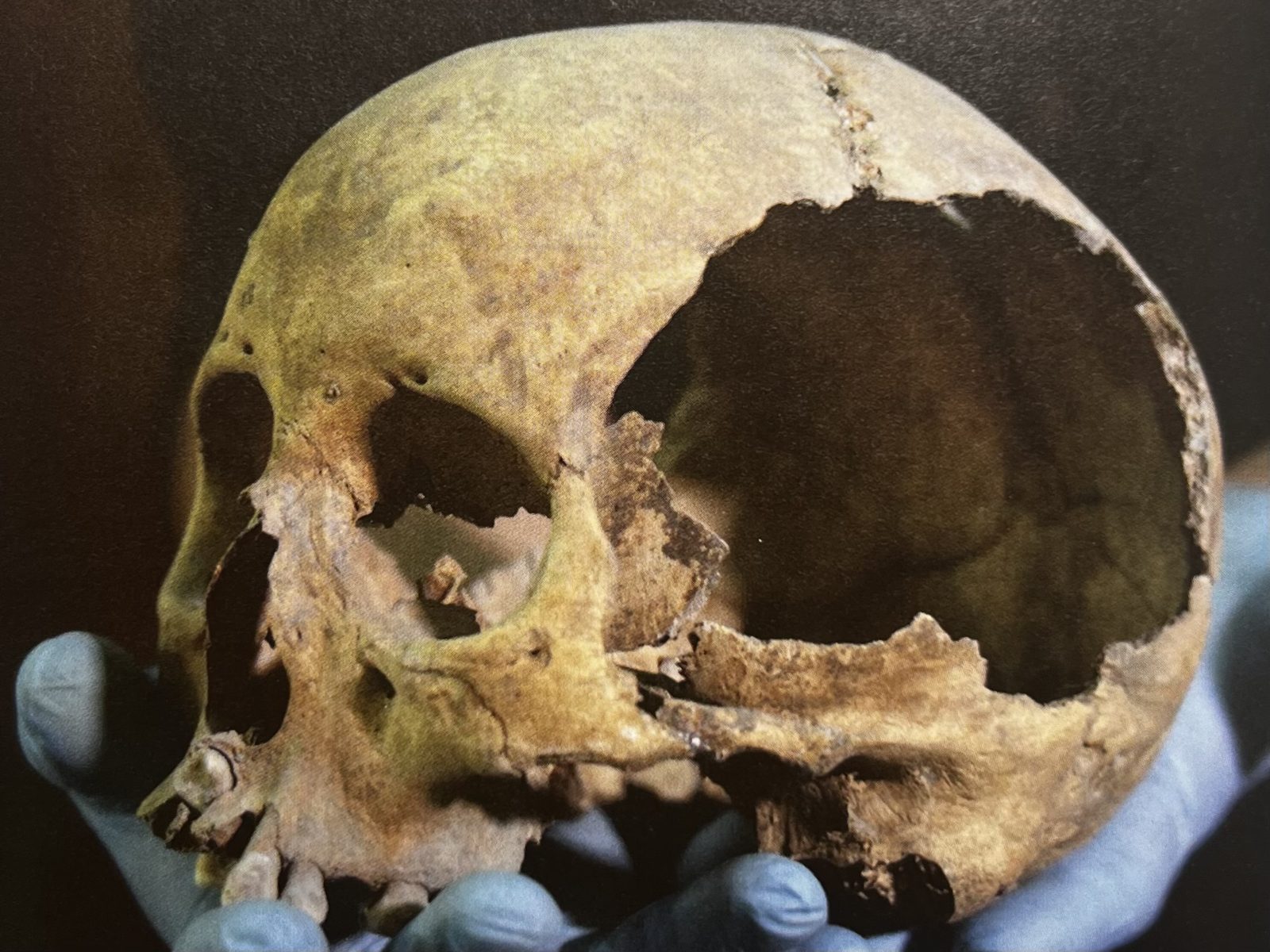
Chichen Itza also has a serious side. Archaeology here includes evidence of ritual life, offerings and human remains connected to sacred spaces, especially cenotes. It should never be treated as entertainment or shock value.
But it does remind us that this city was not built for tourists. It was a living, complex place with beliefs, power, ceremonies, conflict, beauty and fear. That complexity is part of what makes Chichen Itza so important.
Is Chichen Itza Older Than Stonehenge?
No. Stonehenge in England is much older, dating back more than 4,000 years. But comparing them is interesting because both places show how ancient people watched the sky and built monuments that still inspire questions.
Stonehenge is a prehistoric monument. Chichen Itza is an ancient city: temples, courts, roads, markets, sacred water, astronomy and political power all connected in one place.
One is older. The other tells a wider urban story. Both remind us that human beings have always looked up at the sky and tried to understand their place in the universe.
Our Favorite Moment as Guides
After guiding travelers through Chichen Itza for years, we have noticed something.
Everyone arrives excited to see the pyramid. Almost everyone leaves talking about something else: the echo, the heat, the scale, a hidden carving, the Sacred Cenote, the intelligence of the Maya, or the feeling of standing in a city that has survived for fifteen centuries.
That is the real experience. Not only the photo. The realization.
Before You Visit
A few simple decisions can completely change your day.
- Arrive early if you want cooler temperatures and fewer crowds.
- Wear comfortable walking shoes.
- Bring water, sunscreen, sunglasses and a hat.
- Do not rush the site. Chichen Itza rewards curiosity.
- Combine the ruins with a cenote and Valladolid if you want a fuller Yucatan day.
Frequently Asked Questions
How old is Chichen Itza?
Chichen Itza began developing around the 5th and 6th centuries AD, making it roughly 1,500 years old today.
Can you climb Chichen Itza?
No. Climbing El Castillo is not allowed. The rule helps protect the monument and keeps visitors safe.
How much time do you need at Chichen Itza?
Most visitors enjoy about two to three hours at the archaeological site, depending on heat, pace, photos and how much explanation they want.
Is hiring a guide worth it?
Yes, especially if you want to understand what you are seeing. The city becomes much more meaningful when the buildings connect into one story.
What should I combine with Chichen Itza?
A cenote swim, local food and a stop in Valladolid make the day feel more balanced and memorable.
One Last Thought
When people ask, “How old is Chichen Itza?” they usually expect a number.
The real answer is bigger.
It is a city that has inspired curiosity for fifteen centuries. A place where stone, sunlight, water and imagination still work together. A place that makes complete strangers stop, look up and quietly say:
“Wow.”
Keep Exploring
These guides connect naturally with this article and help you plan a better private day: